

If you’ve hunted late-season ducks long enough, you know the truth nobody talks about: December birds are a different animal. They’re heavier, smarter, better feathered, and they take a hit like they’re made of armor. Every year the same advice echoes across the marsh — “Go bigger if you want to drop late-season mallards.”
That used to be true.
But tungsten changed the rules.
At Black River Shot Company, we spend our season doing what every serious waterfowler does; patterning shells, studying downrange energy, and putting loads to the test on the birds that really matter: tough, cold-weather mallards. And the results are unmistakable:
TSS #9 hits harder, patterns tighter, and outperforms traditional late-season pellet sizes in every meaningful way.
Late-season used to demand bigger pellets. Today, it demands better ones.
Why Late-Season Ducks Are Harder to Kill
Before getting into the #9 advantage, it’s important to understand what makes December mallards so tough:
- Their plumage is fully developed — thick down + heavy contour feathers = real armor.
- Birds are fatter — they’ve packed on reserves for migration and cold weather.
- Wind and cold air slow steel dramatically — making marginal shots even worse.
- Flock sizes change — birds circle higher, flare quicker, and rarely commit tight.
In short: late-season birds expose the weaknesses of steel and light-density pellets. You simply can’t rely on a material that loses velocity and penetration the moment winter rolls in.
The Old Belief: Go Bigger for Knockdown Power
Hunters used to reach for #2s, #3s, or even BBs when mallards grew tougher. And back then, they weren’t wrong.
Steel is only 7.8 g/cc in density. That means it bleeds energy fast, drifts in the wind, and struggles to break through late-season plumage at moderate ranges. To compensate, hunters chose larger pellets — hoping bigger surface area meant deeper penetration.
But “bigger” always came at a cost:
- Fewer pellets
- Thinner patterns
- More holes in the kill zone
- More cripples
It was a compromise we all accepted… until tungsten arrived.
Why Tungsten #9 Is a Late-Season Game Changer
Tungsten’s density is 18.0 g/cc — more than double steel and far beyond lead.
This matters for one reason: mass equals momentum.
“Late-season waterfowl hunting rewards probability and #9 tungsten dramatically increases your odds.”
A tiny tungsten #9 pellet carries nearly the same downrange energy as a #5 lead pellet — something steel can’t touch. But energy is only half the equation. A tungsten #9 also gives you:
- Massive pellet count
- Ultra-tight pattern density
- Deeper penetration through late-season feathering
- Better wind resistance
Here’s the comparison:
| Material | Density | Typical Late-Season Duck Load | Pellets per Ounce |
|---|---|---|---|
| Steel | 7.8 g/cc | #2 | ~125 |
| Lead | 11.3 g/cc | #4 | ~135 |
| TSS | 18.0 g/cc | #9 | ~360 |
With tungsten you’re not compensating for poor material performance anymore.
You’re leveraging a scientifically superior metal.
Three times the pellets = three times the vital hits = drastically fewer cripples.
Pattern Density Wins Late-Season Hunts
When mallards flare, skirt the spread, or swing wide in the wind, you need pattern density more than ever.
Most hunters assume bigger pellets equal more power, but here’s the truth:
Power is useless if you can’t put pellets on target.
A TSS #9 load places hundreds more pellets in the same ounce, which means:
- More hits in the head and neck
- Fewer pellets wasted outside the kill zone
- Better results on crossing, quartering, or overhead birds
- Reliable performance even when birds don’t commit tight
Late-season waterfowl hunting rewards probability and #9 tungsten dramatically increases your odds.
Upgrade Your Hunt with Tungsten Loads
Don’t settle for less stopping power. Shop our premium tungsten shells and make every shot count.
Shop Tungsten LoadsDownrange Energy: Why #9 Punches Through December Plumage
Mallards in December aren’t just bigger; they’re shielded with thick, oily, cold-hardened feathers.
Steel struggles. Tungsten doesn’t.
A tungsten #9 pellet maintains velocity longer and penetrates deeper because:
- Higher density = less air drag
- Smaller diameter = better aerodynamics
- Heavier mass = more bone-breaking power
At typical late-season ranges (35–50 yards), a tungsten #9 still carries enough energy to cleanly break bones and reach vitals — something steel #2s often fail to do at the same distance.
This is why hunters switching to tungsten immediately notice:
- Birds folding instead of gliding
- Cleaner kills
- Dramatically fewer lost birds
It’s not magic — it’s physics.
Cold Air Makes Steel Worse and Tungsten Better
Cold December air increases drag. Steel pellets — already light — slow down even faster.
Tungsten, with more than double the density, cuts through cold air with far less velocity loss.
Wind? Same story. Lighter steel pellets drift; tungsten holds its line.
Late-season is a performance test.
Tungsten passes it. Steel fails it.
Choke Selection: The Forgotten Key to Late-Season Success
Because tungsten patterns tighter than steel, choke selection is critical.
Recommended Late-Season Chokes for TSS #9:
- 30–40 yards: Modified
- 40–55 yards: Full
- Close-range timber or tight decoying: Improved Cylinder
Most hunters are over-choked when they switch to tungsten. Opening up one step usually produces the best balance of pattern density and pellet uniformity.
Real-World Advantage: Why Hunters Are Switching Permanently
Once a hunter sees a #9 tungsten pattern on paper — or in the field — the decision becomes obvious. You’re not trading power for coverage or vice versa. You get:
- Heavy downrange energy
- Dense, forgiving patterns
- Consistent kills across a wide range of angles
- Ethical lethality on winter-tough mallards
One shell. Every scenario. No second-guessing.
The Shell to Trust in December
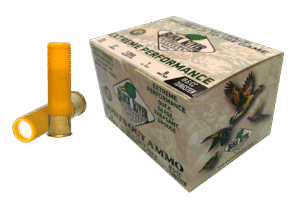
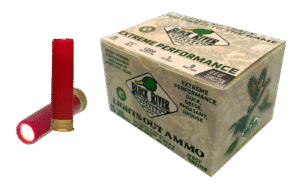
Black River Shot Company’s Green Head Wad shells were built specifically for situations like this — late-season birds, tough plumage, longer shots, and unforgiving weather.
Available in:
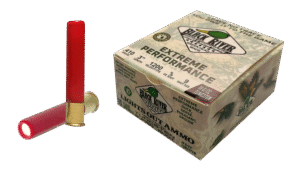
- .410 5/8 oz – TSS #9
- 28 Gauge – TSS #9
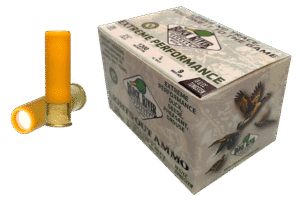
- 20 Gauge – TSS #9
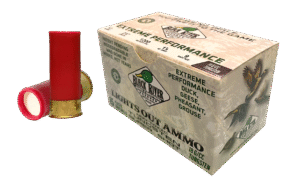
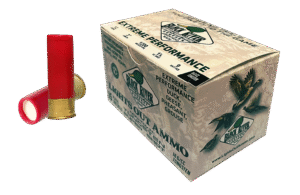
- 12 Gauge – TSS #9
When it’s cold, when birds are educated, and when you only get one real shot… this is the load that performs.

- Green Head Wad Shot Shells
Black River Wad Co .410 Gauge 3″, 5/8 oz – (1200 FPS) TSS #9 (15-Pack)
$69.99 - Green Head Wad Shot Shells
Black River Wad Co 12 Gauge 2¾″, 1 oz – (1200 FPS) TSS #9 (15-Pack)
$89.99 - Green Head Wad Shot Shells
Black River Wad Co 12 Gauge 3″, 1⅛ oz – (1200 FPS) TSS #9 (15-Pack)
$99.99 - Green Head Wad Shot Shells
Black River Wad Co 20 Gauge 2¾″, ⅞ oz – (1200 FPS) TSS #9 (15-Pack)
$79.99 - Green Head Wad Shot Shells
Black River Wad Co 20 Gauge 3″, 1 oz – (1200 FPS) TSS #9 (15-Pack)
$89.99 - Green Head Wad Shot Shells
Black River Wad Co 28 Gauge 2¾″, ¾ oz – (1200 FPS) TSS #9 (15-Pack)
$79.99
Bottom Line: TSS #9 Owns the Late Season
December isn’t the time to experiment.
It’s the time to rely on what science — and thousands of hunts — have proven:
#9 tungsten simply hits harder, patterns tighter, and drops late-season mallards with unmatched consistency.
If you want fewer cripples, better patterns, and confidence when that greenhead hovers at 45 yards… you already know the answer.
TSS #9 — Always on target. Always Black River.