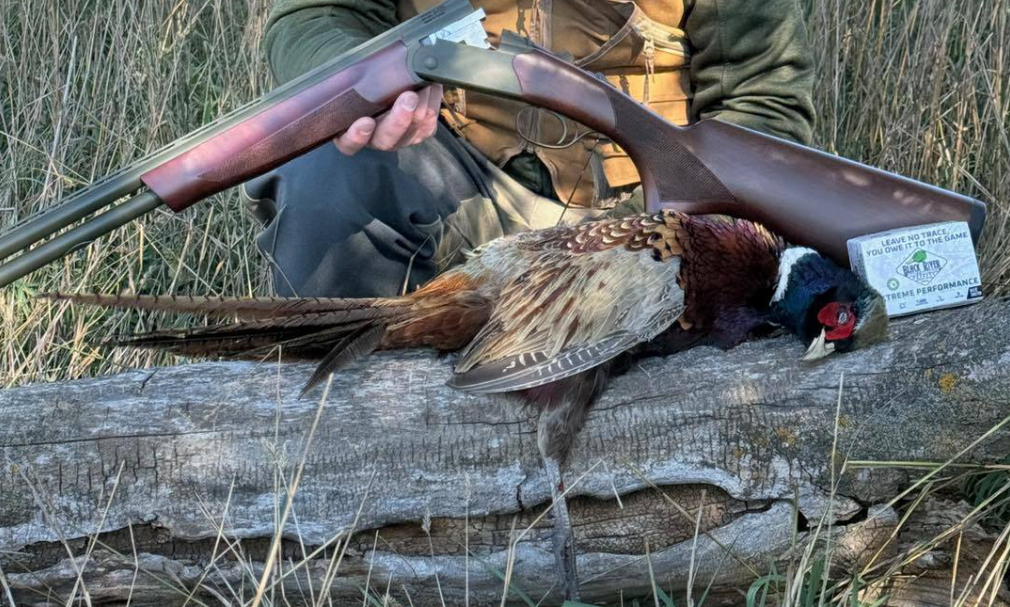
If you’ve hunted pheasants long enough, you know they’re not the easy-going birds people imagine. A late-season rooster is one of the toughest upland animals in North America — thick-skinned, heavily feathered, fast, unpredictable, and surprisingly hard to bring down cleanly. Most hunters grew up hearing the same advice:
“Use big pellets — 5s or 6s — otherwise you won’t penetrate.”
For years, that was sound logic. When the only options were lead or steel, pellet size was the only way to compensate for lack of density and lack of energy downrange.
But that logic belongs to the past.
“The only reason we needed big pellets in the first place was because our materials were limited.”
Modern tungsten shot changed the equation. Today, a TSS #9 pellet carries the same (or greater) energy than the classic #5 lead pellet hunters have trusted for generations — and does it with three times the pellet count, tighter patterns, and less meat damage.
If you hunt pheasants — early-season or late-season — tungsten #9 is not just an alternative.
It’s the most effective, ethical, and consistent upland shotshell ever created.
At Black River Shot Company, we’ve put tungsten against roosters in real-world field tests: cattails, CRP, shelterbelts, late-winter snow, wild birds, preserve birds, and everything in between. TSS #9 is the first load that gives you all the advantages with none of the traditional trade-offs.
Here’s why.
The Old Way: Big Pellets to Compensate for Low Density
Lead dominated upland hunting for decades because it carried good mass. Even still, hunters often went to #5 or #6 pellets because pheasants are armor-clad:
- Thick feathers
- Dense down around the body
- Tough skin
- Strong wing structure
- Hard bones
A small pellet simply wouldn’t penetrate deeply enough.
When steel came along — far lighter and less dense — hunters were forced to go even bigger. A #4 or even #2 steel load was common just to get the knockdown power of a #6 lead. But the problem with going bigger is always the same:
- Fewer pellets
- Wider gaps
- More holes in the pattern
- Higher chance of wounding or losing the bird
Bigger pellets fix energy, but destroy pattern density — and in upland hunting, pattern density is everything. A rooster flushing at 15–30 yards doesn’t give you room for error.
The only reason we needed big pellets in the first place was because our materials were limited.
Tungsten erased that limitation.
Tungsten #9 — The New Standard for Upland Lethality
The advantage of tungsten starts with density:
- Steel: 7.8 g/cc
- Lead: 11.3 g/cc
- Tungsten: 18.0 g/cc
A tungsten #9 pellet has nearly the same energy as a #5 lead pellet — while being dramatically smaller and more aerodynamic. That means:
- More pellets per ounce
- More hits in the vital zone
- More consistent patterns
- More ethical kills
- Far fewer lost birds
Here’s what the numbers look like:
| Material | Shot Size Equivalent | Pellets per Ounce | Downrange Energy |
|---|---|---|---|
| Steel | #5 | ~170 | Low |
| Lead | #5 | ~135 | Medium |
| TSS | #9 | ~360 | High |
That pellet count alone is a game changer. But the magic is in penetration.
A single tungsten #9 pellet:
- Breaks bone
- Punches through late-season feathers
- Reaches vitals consistently
- Maintains velocity longer
This is exactly what pheasant hunters have needed for decades.
Upgrade Your Hunt with Tungsten Loads
Don’t settle for less stopping power. Shop our premium tungsten shells and make every shot count.
Shop Tungsten LoadsWhy Pattern Density Matters More Than Pellet Size in Upland Hunting
When a rooster flushes, the target area is small:
head, neck, spine, heart/lung corridor, and wing joints.
Big pellets mean you’re relying on chance.
Tungsten means you’re relying on math.
More pellets in the pattern = more hits where it matters.
Tungsten #9 offers:
- 300% more pellets than lead #5
- Uniform, tight patterns
- More probability of multiple lethal strikes
- Less wing hits that cripple and fly off
- More immediate kills
Pattern density is the #1 reason tungsten outperforms traditional upland loads.
If a bird gets up at 30 yards, you want a cloud — not a scatter.
Penetration: Why Tungsten Punches Through Roosters Like Nothing Else
Pheasants are notoriously hard to penetrate:
- Heavy plumage
- Oily feathers
- Strong skin and muscle density
- Large, hardened wing joints
Steel deflects and feathers out.
Lead sometimes mushrooms or slows too quickly.
Tungsten cuts straight through.
Here’s why tungsten #9 penetrates better:
- Higher sectional density — More mass in a smaller footprint = deeper penetration.
- Higher retained velocity — Stays fast longer, even in wind.
- Perfectly round pellets — No deformation means straight, reliable flight.
- Hardness — TSS pellets don’t flatten, smear, or lose shape.
This gives you a lethal combination:
- The dense cloud of a light pellet
- The penetration of a heavy pellet
- The reliability of a premium alloy
- The reach of a long-range hunting load
Roosters don’t just go down — they stay down.
Meat Damage: The Hidden Advantage of Tungsten #9
One of the biggest frustrations pheasant hunters face with lead #5 or #6 is meat damage. Larger pellets destroy:
- Breasts
- Legs
- Wing meat
- Tenderloins
And most upland hunters care about preserving meat — it’s half the purpose of the hunt.
Here’s where tungsten #9 shines:
- Smaller pellets
- Extremely dense patterns
- High energy but small entry
- Low collateral damage
You take the bird cleanly without obliterating the edible portions.
This is one of the most overlooked advantages of TSS for upland hunting.
Wind Resistance and Long Shots — Another Tungsten Victory
Any upland hunter who’s walked CRP in November knows the wind is rarely calm. Light pellets drift like crazy — especially steel.
A tungsten #9 pellet:
- Weighs more
- Slows down less
- Resists wind drift significantly better
- Holds a straighter line on crossing shots
Roosters are notorious for rocketing with the wind at 30–50 mph. Tungsten is built for those moments.
Steel isn’t.
Choke Selection: The Right Setup for Pheasants
Because tungsten patterns tight, you can run a more open choke than you would with lead or steel.
Recommended chokes for pheasant with TSS #9:
- Improved Cylinder (most flushes)
- Light Modified (longer-range open fields)
- Modified (late season, spooky birds, 40-yard shots)
Avoid Full unless you’ve patterned it. Tungsten can get too tight in some guns and create blown patterns or inconsistent density.
Early-Season vs. Late-Season Pheasants — Tungsten Wins Both
Early season
Birds are lighter, flush closer, and often hold tighter in cover.
You want high pattern density with minimal meat damage.
TSS #9 delivers every time.
Late season
Birds are heavily feathered, fast, spooky, and wild.
They often flush at 25–40 yards.
Steel and lead struggle.
Tungsten shines.
This is the first load capable of covering the entire season with zero compromises.
Wild Birds vs. Pen-Raised Birds: Yes, It Matters
Wild pheasants are significantly tougher than pen-raised or preserve birds.
- Wild birds have stronger flight muscles
- Heavier bones
- Hardened wings
- Denser feathers
- More fat in late season
Many hunters are shocked to learn that tungsten #9 handles wild roosters as easily as pen-raised birds.
It’s the first load that truly doesn’t care what kind of pheasant you’re hunting.
Real-World Field Scenarios — Where Tungsten Excels
1. A tight flush at 15 yards
The dense #9 pattern blankets the target without blowing the bird apart.
2. A crossing rooster at 35 yards in 25 mph wind
Tungsten stays on target — steel drifts off.
3. A late-season rooster exploding from a cattail slough
Feathers, fat, thick skin — tungsten punches through them all.
4. A high wild bird flushing far out
Tungsten #9 keeps lethal energy past where steel falls apart.
5. Mixed upland hunts (pheasant + quail + partridge)
One load does everything.
This is what upland hunters have wanted for years — one shell that simplifies everything.
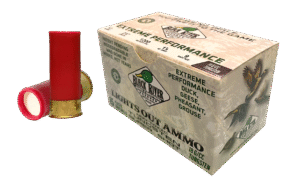
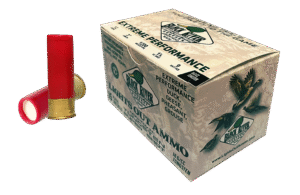
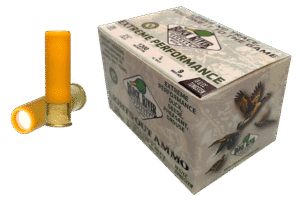
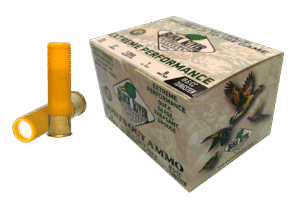
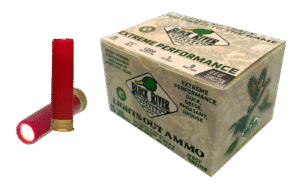
The Black River Advantage — Green Head Wad TSS #9 for Upland
While waterfowl hunters already know the advantages of tungsten, upland hunters are only now discovering what TSS #9 can do.
Black River Shot Company’s Green Head Wad lineup is engineered with:
- Premium 18 g/cc tungsten
- Consistent shot-to-shot ignition
- Ultra-tight pellet distribution
- Penetration built for heavy late-season birds
- Clean, ethical kill performance
Perfect for pheasants in:
- 12 Gauge
- 20 Gauge
- 28 Gauge
- .410 for experienced shooters and youth hunters
When you only take a few shots per hunt, every one needs to count.
This is the load that lets you hunt with confidence.
- Green Head Wad Shot Shells
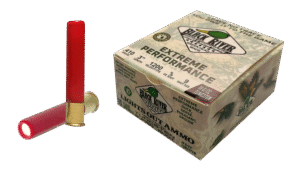
Black River Wad Co .410 Gauge 3″, 5/8 oz – (1200 FPS) TSS #9 (15-Pack)
$69.99 - Green Head Wad Shot Shells
Black River Wad Co 12 Gauge 2¾″, 1 oz – (1200 FPS) TSS #9 (15-Pack)
$89.99 - Green Head Wad Shot Shells
Black River Wad Co 12 Gauge 3″, 1⅛ oz – (1200 FPS) TSS #9 (15-Pack)
$99.99 - Green Head Wad Shot Shells
Black River Wad Co 20 Gauge 2¾″, ⅞ oz – (1200 FPS) TSS #9 (15-Pack)
$79.99 - Green Head Wad Shot Shells
Black River Wad Co 20 Gauge 3″, 1 oz – (1200 FPS) TSS #9 (15-Pack)
$89.99 - Green Head Wad Shot Shells
Black River Wad Co 28 Gauge 2¾″, ¾ oz – (1200 FPS) TSS #9 (15-Pack)
$79.99
Bottom Line: Tungsten #9 Is the Best Pheasant Load Ever Made
For decades, upland hunters had to choose:
- Large pellets for power
- OR small pellets for pattern density
- OR soft pellets that deform
- OR light pellets that drift in wind
- OR heavy pellets that damage meat
Tungsten ended that era.
TSS #9 gives you:
- Lethal penetration
- Massive pattern density
- Incredible wind resistance
- Less meat damage
- Tight, predictable patterns
- Ethical, consistent kills
- Performance in all seasons
If you hunt pheasants — wild or preserve, early or late — there is no load that outperforms tungsten #9.
It’s not hype.
It’s physics, field-tested and proven.
TSS #9 — Always on target. Always Black River.